
Introduction
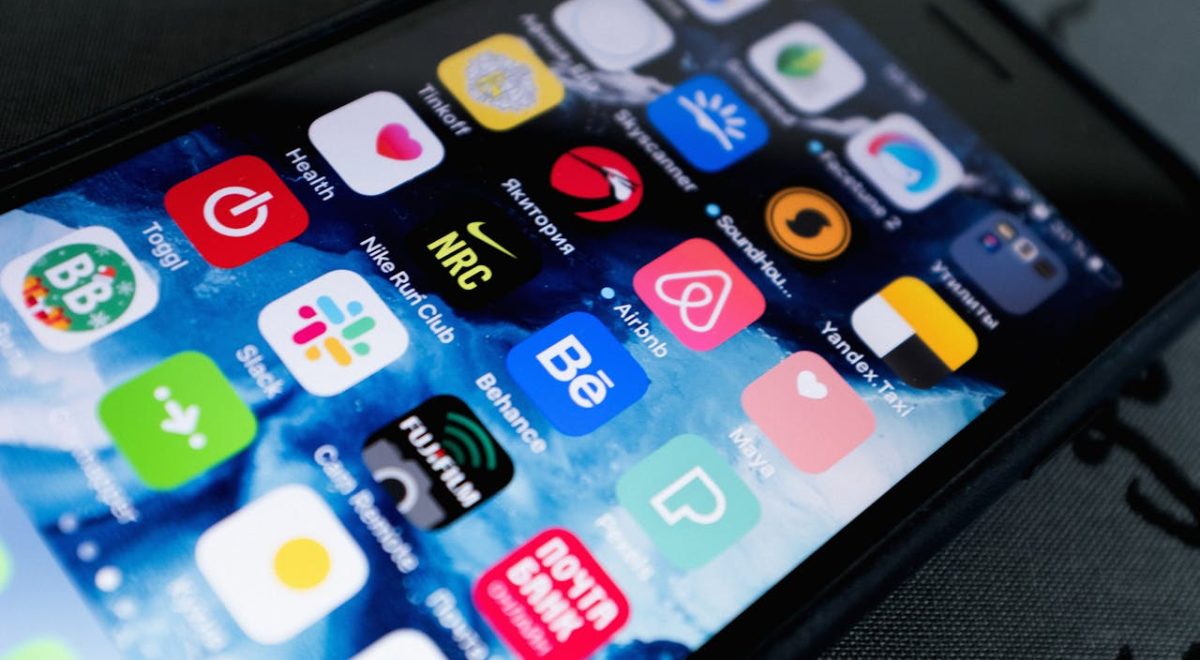
Apps have become an essential part of everyday life in 2026. People use apps for communication, shopping, entertainment, education, business, health, banking, and social media. Mobile applications continue to grow because smartphones and internet access are more common worldwide.
Apps help users complete tasks faster, improve productivity, and access services directly from their devices. Businesses also use apps to connect with customers, increase sales, and improve user experiences.
This guide explains what apps are, their importance, major app categories, technology trends, and how apps are shaping the future of digital life.
What Are Apps?
Apps, also called applications, are software programs designed to perform specific tasks on smartphones, tablets, computers, or other digital devices.
Apps allow users to:
- Send messages
- Watch videos
- Shop online
- Play games
- Manage finances
- Learn new skills
- Work remotely
Most apps are downloaded through digital stores such as the Google Play Store and Apple App Store.
Why Apps Are Important in 2026
Apps have become important because they provide:
- Fast access to services
- Convenience
- Better communication
- Mobile productivity
- Online business opportunities
Businesses and consumers now depend heavily on mobile apps for daily activities.
Popular Types of Apps
Social Media Apps
Social media apps help users connect and share content online.
Popular social media apps include:
- TikTok
- Snapchat
- X (Twitter)
These apps support communication, entertainment, and digital marketing.
Business and Productivity Apps
Business apps improve organization and teamwork.
Popular productivity apps:
- Zoom
- Microsoft Teams
- Trello
- Notion
- Google Workspace
These apps support remote work and online collaboration.
Ecommerce Apps
Ecommerce apps allow users to buy and sell products online.
Popular ecommerce apps:
- Amazon
- Shopify
- eBay
- AliExpress
Mobile shopping continues to grow rapidly in 2026.
Education Apps
Educational apps support online learning and skill development.
Examples include:
- Language learning apps
- Online course platforms
- Study tools
- Virtual classrooms
Education apps make learning more accessible worldwide.
Entertainment Apps
Entertainment apps are among the most downloaded mobile applications.
Popular entertainment categories:
- Video streaming
- Music streaming
- Gaming apps
- Live streaming platforms
These apps provide content for millions of users daily.
Finance and Banking Apps
Finance apps help users manage money and online payments.
Features include:
- Mobile banking
- Budget tracking
- Digital wallets
- Online investing
Finance apps improve convenience and financial accessibility.
App Technology Trends in 2026
AI-Powered Apps
Artificial intelligence is changing how apps work.
AI features include:
- Personalized recommendations
- Voice assistants
- Smart automation
- AI chatbots
- Predictive search
AI improves user experience and app efficiency.
Cloud-Based Apps
Cloud technology allows apps to:
- Store data online
- Sync across devices
- Improve accessibility
- Reduce device storage needs
Cloud-based apps are becoming more popular in 2026.
Mobile Commerce Growth
Apps are driving mobile shopping growth.
Businesses now optimize apps for:
- Fast checkout
- Personalized shopping
- Mobile payments
- Product recommendations
Mobile commerce continues expanding globally.
App Security Improvements
Cybersecurity is becoming more important for apps.
Security features include:
- Biometric authentication
- Data encryption
- Two-factor authentication
- Secure payment systems
App developers focus heavily on protecting user information.
Benefits of Apps
Convenience
Apps allow users to complete tasks quickly from mobile devices.
People can:
- Order products
- Pay bills
- Attend meetings
- Watch videos
- Learn online
All from one device.
Faster Communication
Messaging and video apps make communication instant and global.
Popular communication apps:
- Telegram
- Messenger
- Zoom
Apps improve personal and business communication.
Better Business Opportunities
Apps help businesses:
- Reach customers
- Increase sales
- Improve customer service
- Build brand loyalty
Mobile apps are now important business tools.
Personalized Experiences
Apps use data and AI to provide personalized content and recommendations.
This improves:
- User engagement
- Customer satisfaction
- App performance
How Businesses Use Apps
Businesses use apps for:
- Ecommerce
- Marketing
- Customer support
- Online bookings
- Delivery services
- Loyalty programs
Apps help businesses stay competitive in the digital market.
Common App Development Features
Modern apps often include:
- Push notifications
- AI chat support
- Social media integration
- Online payment systems
- Cloud storage
These features improve functionality and user experience.
Challenges Facing Apps
Common challenges include:
- Security risks
- High competition
- User privacy concerns
- Frequent software updates
- App performance issues
Developers must improve apps continuously to stay successful.
Tips for Choosing the Best Apps
Before downloading apps, consider:
- User reviews
- Security features
- App performance
- Storage requirements
- Developer reputation
Reliable apps provide better experiences and stronger security.
The Future of Apps
Future app trends may include:
- More AI integration
- Augmented reality apps
- Voice-controlled apps
- Advanced mobile gaming
- Smart wearable integration
Apps will continue evolving as technology advances.
Conclusion
Apps are transforming communication, business, entertainment, education, and online services in 2026. They provide convenience, productivity, and access to digital tools directly from smartphones and other devices.
From social media and ecommerce to finance and education, apps are now central to modern digital life. As technology continues to evolve, apps will become even smarter, faster, and more personalized, creating new opportunities for businesses and users around the world.